Recent Rainfall Brings Minor Relief as Historic Drought Persists Across Grand Strand
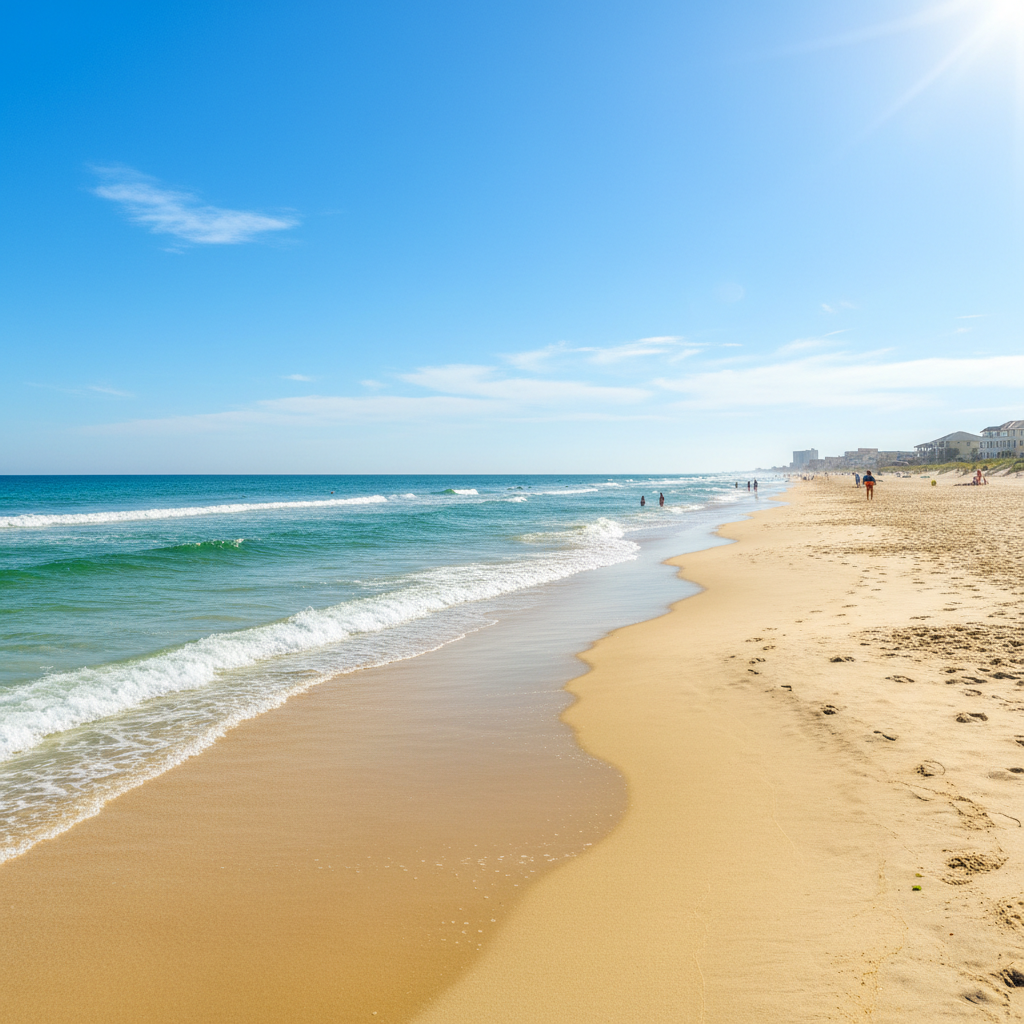
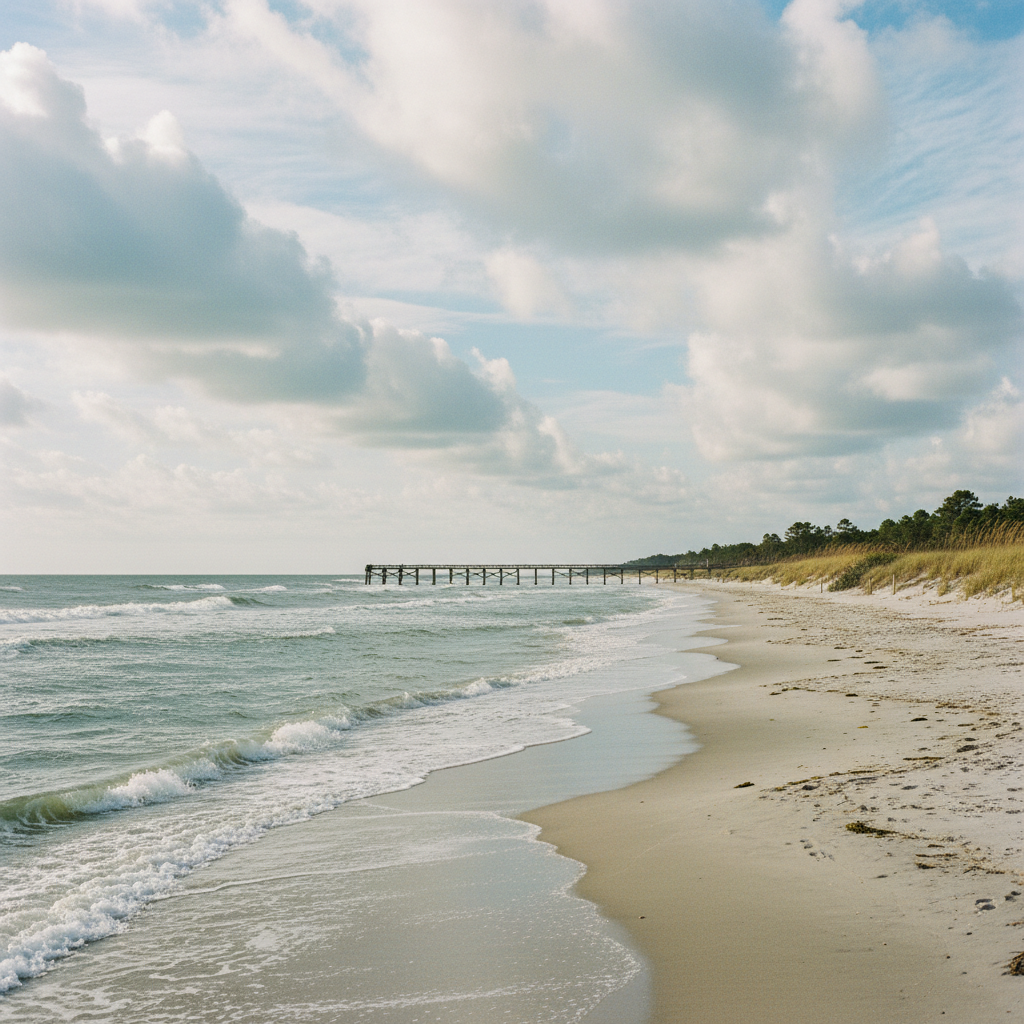
Recent downpours have brought minor relief to the Grand Strand, but Horry and Georgetown counties remain in an extreme drought following the second-worst start to a year in 132 years.
Why this matters locally
Despite recent summer showers, deep soil moisture deficits across Horry and Georgetown counties continue to challenge local water systems, farming, and wildfire management teams, requiring up to 20 inches of rain over three months for full recovery.
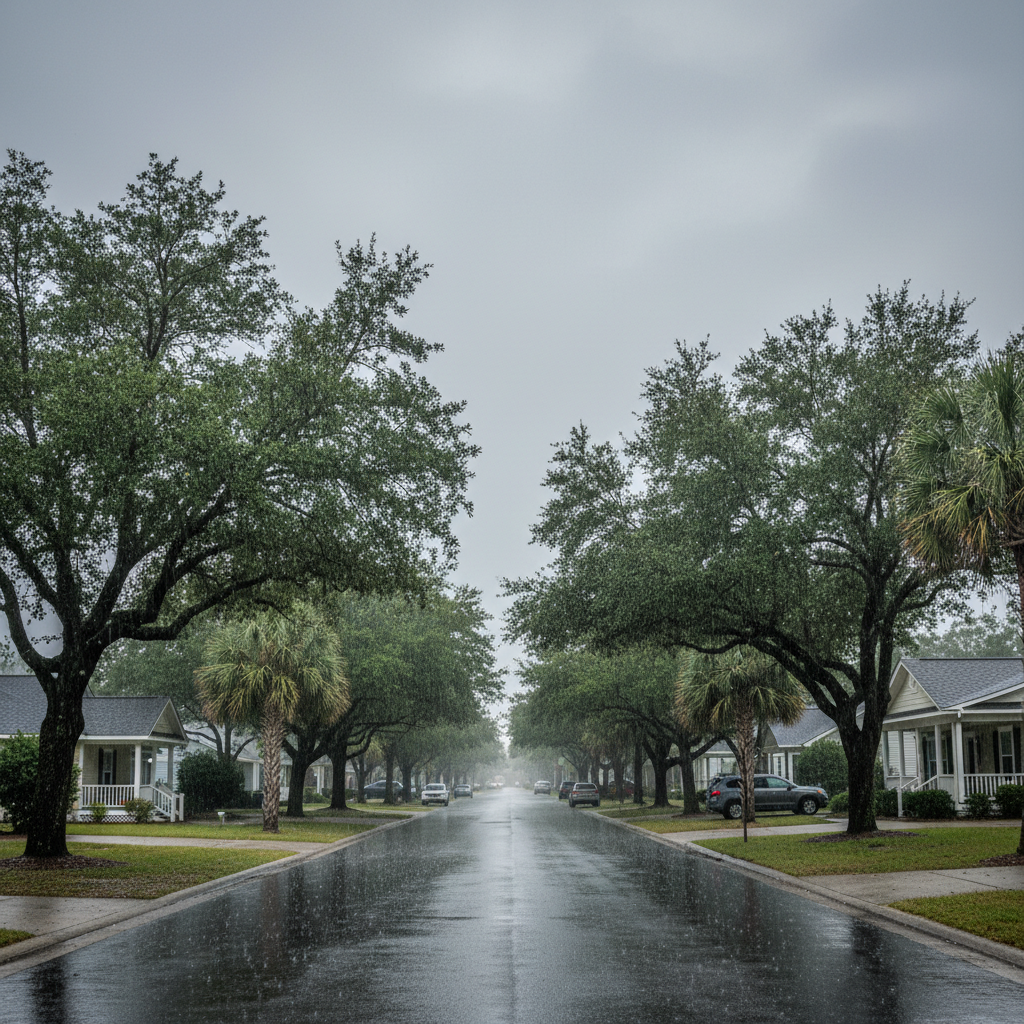
Recent rainfall across the Grand Strand is bringing modest relief to parched lawns and gardens, but forecasters report that the region remains locked in an officially designated extreme drought. An additional 1 to 2 inches of rain fell along the Grand Strand over the past 24 hours, continuing a brief stretch of more active weather that has helped ease short-term moisture concerns without resolving the deeper deficit.
Through the first several days of August, Myrtle Beach has logged 2.41 inches of precipitation. That recent activity brings the area’s five-week rainfall total to nearly 6 inches. To put that figure in context, the rainfall recorded over the last five weeks is greater than the total amount Myrtle Beach received in March, April, May, and June combined. However, meteorologists caution that these recent downpours are acting as simple band-aids rather than a cure, as deep topsoil moisture deficits persist across the coastal plain.
The ongoing dry spell has already established a significant place in regional weather records. Data shows that Horry County experienced the second-worst start to a calendar year in 132 years of weather record keeping. An exceptionally dry winter followed by an almost rain-free spring left the entire Grand Strand with a massive moisture deficit entering the summer season. Soil moisture levels remain extremely low across both Horry and Georgetown counties, continuing to create ongoing operational challenges for local water systems, agricultural operations, and wildfire management teams.
Overcoming a drought of this magnitude will require sustained rainfall over an extended period. Data from the National Oceanic and Atmospheric Administration and the National Centers for Environmental Information indicates it would take 15 to 20 inches of widespread rain spread over the next three months to fully erase the deficit and return soil moisture, local rivers, and groundwater supplies back to normal levels.
While receiving up to 20 inches of rain over three months is historically possible near the coast during an active tropical weather setup, attempting to absorb that volume in a short timeframe creates severe risks. Heavy downpours delivered all at once can spark dangerous flash flooding across roads and low-lying neighborhoods. Meteorologists note that a slow, steady soaking over several weeks remains the safest and most effective way to restore moisture levels without causing localized flooding hazards.
Looking at the immediate forecast, scattered afternoon showers and thunderstorms remain possible over the next few days, though another stretch of hot and mostly dry conditions is expected to build in next week. August and September are historically the wettest months of the year for the Grand Strand, but seasonal totals are heavily dependent on tropical systems. Local residents, commuters, and business owners should continue tracking daily weather reports, remain cautious with outdoors activities that could spark fires, and prepare for potential road hazards if tropical systems bring sudden, heavy rain events later this season.
Quick facts
- Location: Horry and Georgetown counties
- Status: Officially classified in extreme drought
- Recent rainfall: 1 to 2 inches in the last 24 hours
- Five-week total: Nearly 6 inches recorded in Myrtle Beach
- Historical context: Second-worst start to a year in 132 years
Community brief · prepared from WMBF News — Grand Strand material · original source