Atlantic Basin Remains Quiet at Peak of 2026 Hurricane Season
On Sept. 10, 2026, the Atlantic hurricane season reached its official peak with zero hurricanes formed, setting a record for the latest first hurricane in the modern era.
Why this matters locally
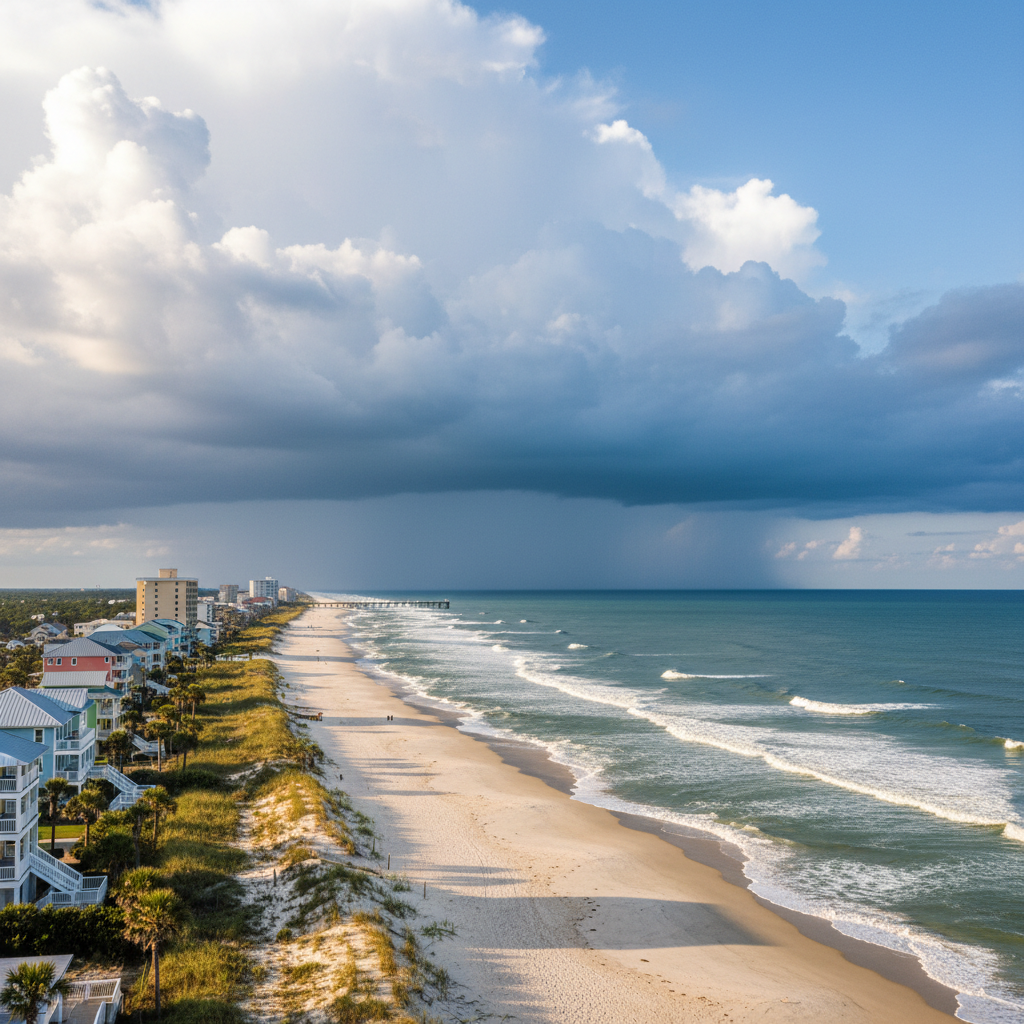
While atmospheric conditions have kept the tropics calm so far, most major hurricane impacts in the Grand Strand historically occur in the second half of the season, making continued preparedness essential for local residents.
On Sept. 10, 2026, the Atlantic hurricane season reached its official climatological peak with an unusually quiet basin. Historically, Sept. 10 is the single date on the calendar when atmospheric conditions align to produce the highest frequency of tropical storms and hurricanes. However, through early September, the Atlantic had produced only five named storms—Arthur, Bertha, Cristobal, Dolly, and Edouard—and none of them reached hurricane strength.
Meteorologists from the National Oceanic and Atmospheric Administration (NOAA) and Colorado State University (CSU) attributed the quiet stretch to a strong El Niño pattern. By warming waters in the equatorial Pacific, El Niño created intense vertical wind shear across the Caribbean and tropical Atlantic, disrupting developing storms before they could organize. In addition, extended periods of Saharan dust across typical Atlantic development regions further hindered storm formation.
With no tropical development expected through the end of the week, the 2026 season set a record for the latest first hurricane in the modern satellite era, which began in 1966. The previous record for the latest first hurricane was shared by Hurricane Gustav in 2002 and Hurricane Humberto in 2013, both of which formed on Sept. 11.
Local meteorologists and emergency managers caution coastal residents across the Grand Strand against falling into a false sense of security. Historically, many of the most severe hurricanes to impact North Myrtle Beach and the broader Carolinas—including Hazel, Hugo, Floyd, Matthew, Florence, and Ian—occurred during the second half of the season, after the Sept. 10 peak. Forecasters also point to historical precedents like 1992, when a quiet El Niño season eventually produced Category 5 Hurricane Andrew, and 2015, when El Niño conditions still yielded Category 4 Hurricane Joaquin.
Because ocean waters remain warm, atmospheric conditions can shift quickly later in September and October. Grand Strand residents, business owners, and visitors should keep their emergency supplies stocked, review local evacuation routes, and maintain active disaster preparation plans throughout the remainder of the hurricane season.
Quick facts
- Official peak of Atlantic hurricane season: Sept. 10
- 2026 named storms through early Sept.: 5 (0 hurricanes)
- Primary weather factors: El Niño wind shear and Saharan dust
- Key reminder: Most major Carolina hurricanes occur after the peak
Community brief · prepared from WMBF News — Grand Strand material · original source