
Managing Household Food Waste: Practical Tips for Grand Strand Families
National survey data and USDA figures highlight practical strategies for Grand Strand families to reduce household food waste and save money on groceries.
Why this matters locally
With grocery prices and dining costs continuing to affect Grand Strand households, understanding common food waste patterns helps local families keep more money in their budgets and maximize every grocery trip.
Food waste remains an ongoing financial and practical challenge for households across Horry County, directly impacting everyday grocery budgets and household spending. National research highlights a persistent gap between local families' good intentions and their daily habits, showing that while most people plan to eat the food they store, a substantial portion still ends up in the trash.
According to data from the United States Department of Agriculture (USDA), the average American family of four discards roughly $1,500 worth of uneaten food each year. Survey data released by appliance manufacturer Frigidaire underscores how widespread this habit has become in modern kitchens. While 86 percent of survey respondents reported liking or loving leftovers, 74 percent admitted to throwing prepared meals away at least once a week. Furthermore, 90 percent of participants acknowledged choosing takeout, delivery, or a drive-thru meal even when they knew a perfectly good, ready-to-eat meal was waiting in their refrigerator.
For many local residents, throwing away food creates significant personal frustration. Seventy percent of survey respondents state that food waste feels more frustrating or guilt-inducing than it used to, largely due to climbing grocery costs and rising dining expenses. Intentions behind saving food remain largely economical and eco-conscious: 64 percent of participants claim to save leftovers specifically to reduce food waste, while 52 percent do so to save money. Additionally, 40 percent of respondents report that finishing leftovers feels more rewarding than cooking a new meal from scratch or ordering takeout.
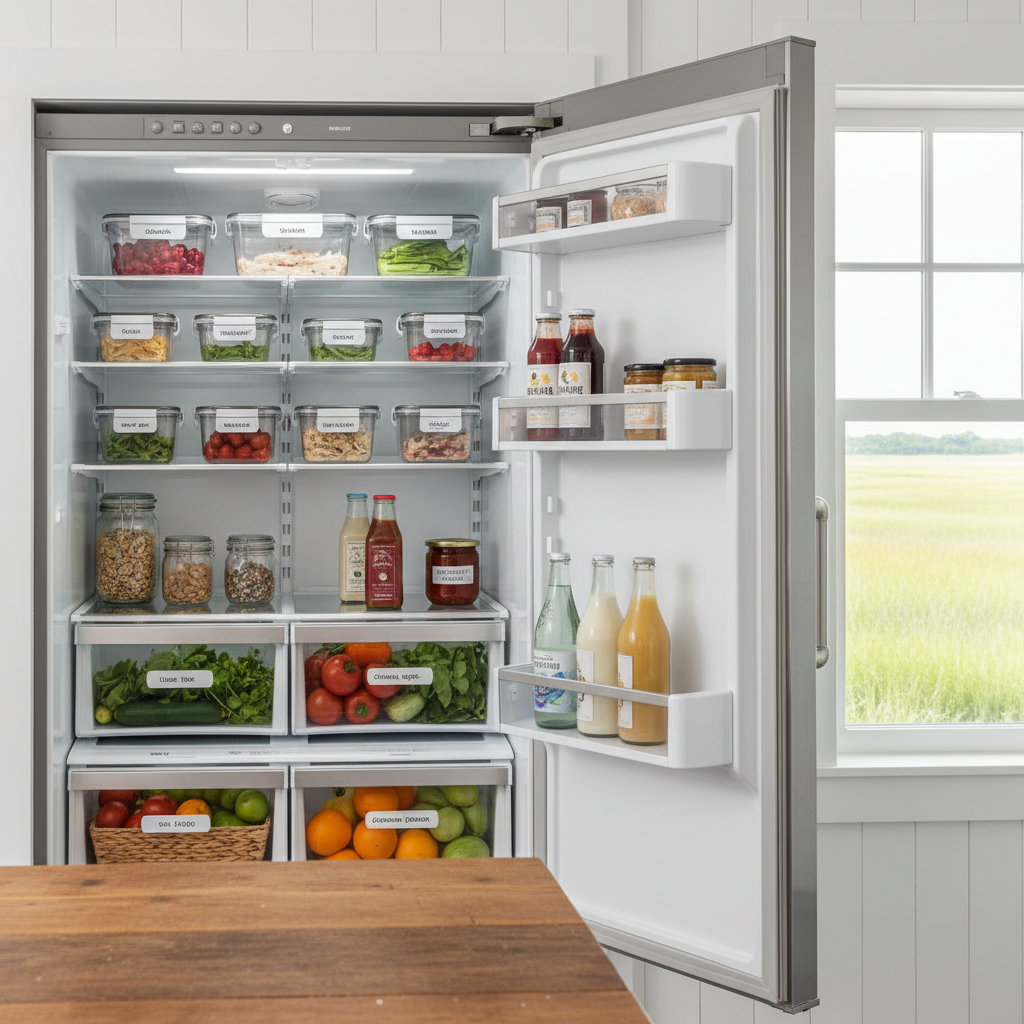
The main obstacle to consuming saved food is simple oversight. More than 50 percent of respondents stated that forgetting about stored leftovers is the primary reason items get tossed out. Food frequently gets pushed to the back of refrigerator shelves, where it disappears from view until concerns about food safety and freshness force families to discard it.
Improving organization and meal management offers an immediate path toward reducing waste. More than 37 percent of survey participants noted that better refrigerator organization and clearer visibility of stored items would directly help them waste less food.
To help families tackle these daily habits, modern resources focus on better visibility and meal transformation. Tools like Frankie, Frigidaire's free AI-powered recipe assistant available at Frigidaire.com, generate step-by-step recipes in seconds using ingredients already sitting in the fridge. Users input available items alongside preferences such as cuisine type, desired number of servings, and available cooking time.
By keeping stored meals visible, utilizing available ingredient-matching tools, and turning existing leftovers into fresh dishes, Grand Strand residents can stretch their grocery dollars, lower daily dining expenses, and reduce overall household waste.
Quick facts
- USDA data: Average family of four wastes ~$1,500 annually
- 74% of survey respondents toss leftovers at least weekly
- 50%+ discard leftovers simply because they forgot about them
- 70% feel more frustrated by waste due to rising grocery costs
- Recipe tool resource: Frankie at Frigidaire.com
Community brief · prepared from MyHorryNews / Myrtle Beach Herald material · original source