Horry County Drivers Warned of Higher Deer Collision Risks During Mating Season
Drivers in Horry County face increased collision risks as deer enter their annual peak mating season from mid-October through mid-November.
Why this matters locally
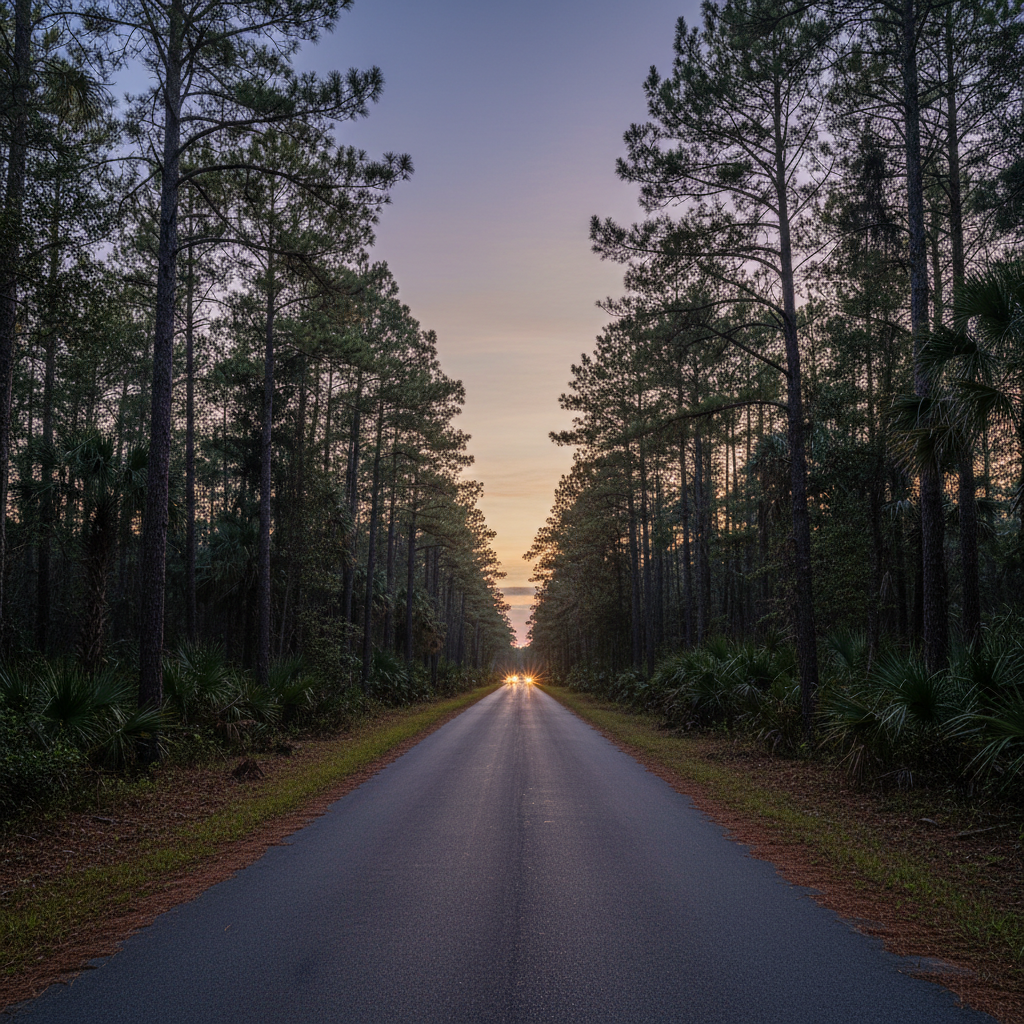
Deer activity peaks during daily morning and evening commute hours, placing Horry County drivers at higher risk of roadside crashes and vehicle damage through mid-November.
Drivers across Horry County are being urged to exercise extra caution on local roads as deer enter their peak annual breeding season, known as the rut. According to the South Carolina Department of Natural Resources, deer activity spikes statewide from mid-October through mid-November, significantly increasing the risk of vehicle collisions.
State Highway Patrol data shows that Horry County averages about 450 deer-related collisions each year. So far in 2026, the county has already recorded 285 such incidents. Across South Carolina, roughly 4,100 collisions have been logged this year. Historically, state officials note that almost half of all annual deer collisions occur between October and December, coinciding with the mating season and changing daylight hours.
The vast majority of deer-vehicle collisions occur during peak movement hours between 5 a.m. and 8 a.m., as well as 5 p.m. to 10 p.m. These periods align directly with morning and evening work commutes, where reduced visibility and lower light make animals harder to spot along wooded rights-of-way.
Local auto body professionals report that deer collisions typically cause damage to front bumpers, grills, headlights, hoods, and fenders, while roughly 15 percent involve animals running directly into the side of a vehicle. Following any impact, drivers are advised to check their vehicle's temperature gauge and fluid levels, as hidden radiator damage can cause coolant leaks and engine overheating.
To minimize risk, wildlife officials and public safety agencies recommend key driving techniques:
- If you see a deer far ahead: Slow down, sound your horn, and flash your headlights if there is no oncoming traffic.
- If a deer appears close by: Do not honk or flash high beams, as bright lights and loud noises can startle the animal into darting directly into your lane. Brake firmly instead.
- Do not swerve: Staying in your lane and braking firmly is safer than swerving into oncoming traffic or running off the road. Hitting the deer is safer than risking a high-speed rollover or head-on crash.
- Watch for groups: Deer frequently travel together. If one deer crosses the road, expect others to follow immediately behind it.
If a crash occurs, AAA advises drivers to stay away from the animal, as injured deer can be unpredictable and dangerous. Call local law enforcement to file an official crash report, take photographs of the vehicle damage and scene, and notify your insurance provider. Deer collisions are typically covered under comprehensive insurance policies, which generally do not trigger premium rate increases.
Quick facts
- Peak season: Mid-October through Mid-November 2026
- High-risk hours: 5 a.m. – 8 a.m. and 5 p.m. – 10 p.m.
- Horry County average: ~450 deer collisions annually
- Key safety rule: Brake firmly in your lane; do not swerve
Community brief · prepared from WMBF News — Grand Strand material · original source