14-Foot Scalloped Hammerhead Shark Washes Ashore on Nearby NC Beach
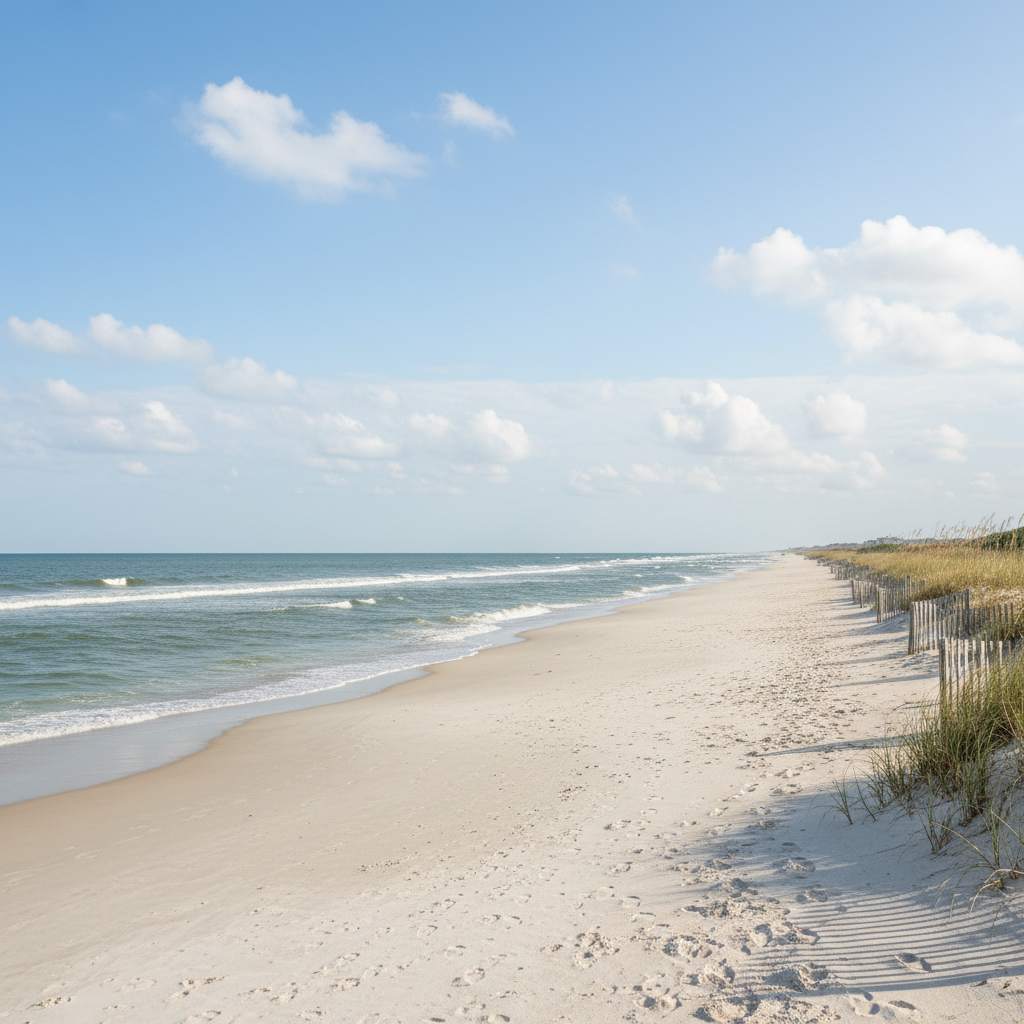
A 14-foot scalloped hammerhead shark washed ashore at Freeman Park on August 2, 2026, prompting a multi-agency response and scientific examination.
Why this matters locally
This rare incident highlights the presence of protected marine species along the Carolinas' coastline and provides valuable research data for regional marine conservation efforts.
A rare marine discovery drew significant attention along the regional coast over the weekend after a 14-foot scalloped hammerhead shark washed ashore at Freeman Park in Carolina Beach, North Carolina. Response teams and researchers were called to the beach on Sunday, August 2, 2026, after the massive animal was found dead on the sand.
The North Carolina Shark Conservancy was first notified about the shark at Freeman Park around 3 a.m. on Sunday morning. The animal initially slipped back into the ocean surf before washing ashore a second time later that afternoon.
Because of the hammerhead's immense size, retrieving the shark required a coordinated multi-agency effort. Teams from Ocean Rescue, the Carolina Beach Fire Department, and the Carolina Beach Police Department worked together to pull the animal fully onto the shore so experts could examine it safely.
Researchers from the North Carolina Shark Conservancy responded to the scene and conducted a comprehensive field examination directly on the beach. Experts described the 14-foot shark as exceptionally large for a scalloped hammerhead, which is a protected species.
During the field work, researchers took basic physical measurements and collected tissue samples to aid in scientific study. Taylor Evans, CEO of the North Carolina Shark Conservancy, explained the response process on the sand.
“We had some volunteers come out and did a work up, took some basic measurements, and then tissue samples,” Evans said.
Field examiners observed clear signs of physical injury on the shark, including a puncture mark near its jaw and a deep cut located at the base of its tail fin. While these findings pointed toward a possible encounter with fishing gear, researchers cautioned against making definitive conclusions without further analysis.
“There was some evidence of fishing interaction but we can’t for sure say that was the cause of it,” Evans said.
The exact cause of death remains unknown. The North Carolina Shark Conservancy will analyze the tissue samples gathered during the field examination to learn more about the animal and attempt to determine what led to its death.
The presence of the giant predator drew crowds of beachgoers who watched emergency crews and researchers work. Paige Furr, a visitor at the beach, described witnessing the unusual discovery.
“Definite once in a lifetime thing. I’ve never seen anything like it, so yeah, it was pretty cool but sad, you know, at the same time,” Furr said.
For residents and visitors across the Grand Strand and nearby coastal communities, sightings of large apex predators serve as a stark reminder of the diverse ocean life inhabiting regional waters. Because scalloped hammerheads are a protected species, wildlife officials note that the biological data and tissue samples gathered from this rare event will be invaluable for ongoing marine conservation efforts across the Carolinas.
Following the completion of the field study, municipal officials removed the body from the beach and handled its proper disposal.
Quick facts
- Location: Freeman Park, Carolina Beach, NC
- Date of event: Sunday, August 2, 2026
- Species: Scalloped hammerhead shark (14 feet)
- Responding agencies: Ocean Rescue, Carolina Beach Fire, Carolina Beach Police, NC Shark Conservancy
Community brief · prepared from WMBF News — Grand Strand material · original source